Hot water
Discover simple ways to reduce hot water costs, see where you could save with our calculators, and learn what to consider if you're replacing your hot water system.
Hot water heating can account for a significant share of household energy use, making it a great place to start when looking for savings.
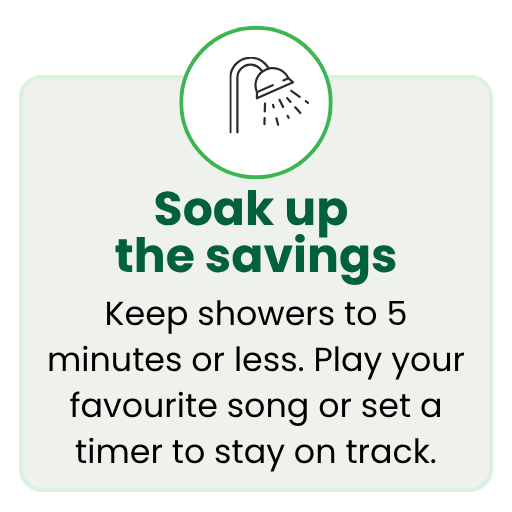
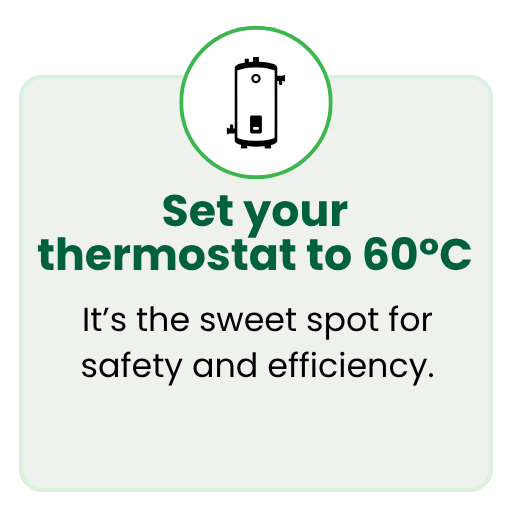
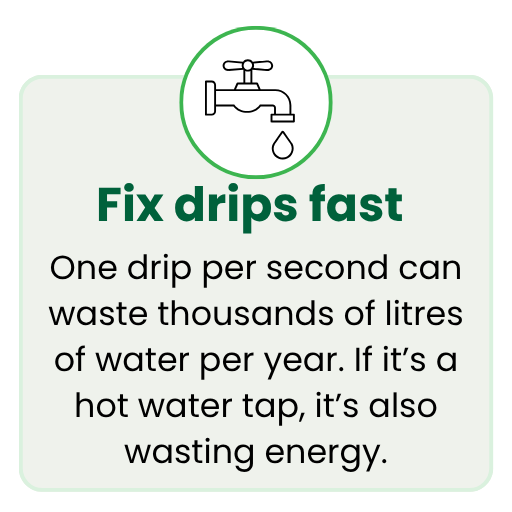
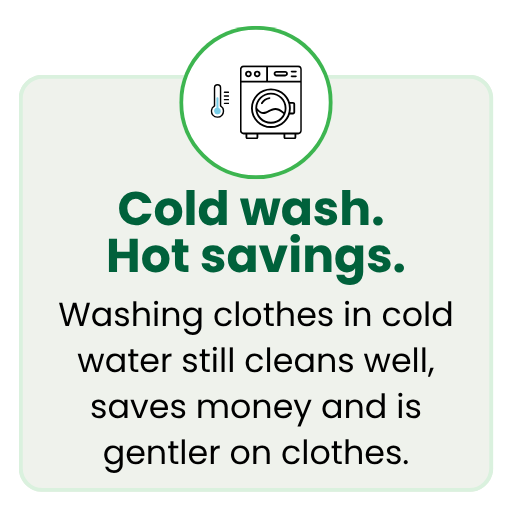
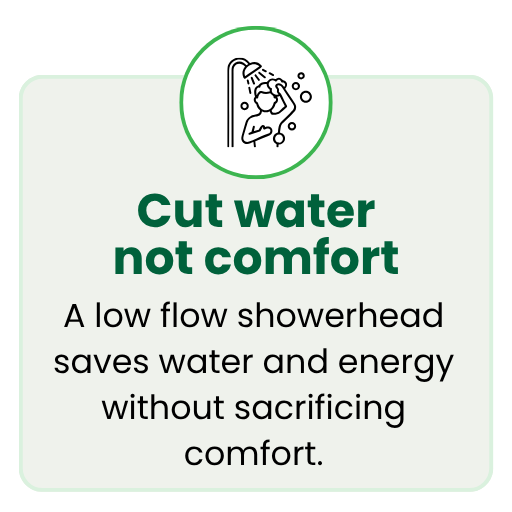
Quick tips for lower hot water costs
Give your home an Energy Health Check
Take our free Energy Health Check to see how much your large everyday appliances could be costing to run and uncover opportunities to save.
Tell us how you use appliances like your hot water, air conditioner, washing machine, dryer, fridges/freezers, and we'll give you full cost breakdowns and personalised saving tips.
A few minutes today could help you uncover savings for tomorrow.
Only have 60 seconds?
Use our Hot Water and Laundry Calculator to estimate your costs and see how changes like shorter showers and washing your clothes in cold water could help reduce your bill.
Hot water - Support and advice
Lost hot water?
If your hot water has suddenly gone cold, and the issue isn't related to increased hot water usage, there may be a fault with your hot water system. Contact a licensed electrical contractor to investigate.
For more information, visit Ergon Energy Network's Hot water issues (cold water) web page.
Tariff options for hot water systems
Whether you're installing a new hot water system, upgrading an existing one, or reviewing your energy costs, it's worth checking if your current tariff for your hot water system is still the best fit for your household.
✅ If you have solar, would connecting your hot water system to your primary tariff (such as Tariff 11) and using a timer during daylight hours help you make the most of your solar generation?
✅ Could an economy tariff, such as Tariff 31 or Tariff 33, help reduce the cost of heating your water?
Connecting your hot water system to an economy tariff, like Tariff 31 or Tariff 33, can help lower the cost of heating water by supplying power to your hot water system for a minimum number of hours each day, at a lower rate than your primary tariff. Choosing the right tariff and hot water system size can help ensure you have enough hot water for your household while keeping running costs down.
For more information about available tariffs, visit our Residential Tariffs page.
You can also use our Hot Water Sizing Guide to check whether your current system is suitable for your household size and hot water needs.
Purchasing your hot water system
A little planning now can pay off in comfort and savings for years to come.
1. Choose the right size
Your household size and water usage habits can help determine the right hot water system for your home. A qualified installer can help you choose the best fit.
You can also use our Hot Water Sizing Guide to check whether your chosen system is suitable for your household size and hot water needs.
2. Compare hot water system types
⚡ Electric storage
- Lower upfront cost
- Heats and stores water in a tank
- Can have higher running costs if not connected to an economy tariff or using free energy/solar during daylight hours.
Best for: homes with regular, predictable hot water use.
🌡️ Heat pump
- Uses electricity to pull heat from the air
- More energy efficient than standard electric hot water systems
- Lower running costs over time
Best for: households looking to cut long-term energy costs.
☀️ Solar hot water
- Uses the sun to heat water
- Very low running costs
- Usually includes electric or gas boosting for cloudy days
Best for: households wanting to use less energy and reduce emissions.
🔥 Gas hot water
- Fast recovery times
- Available as storage or continuous flow
- Often cheaper to run than standard electric systems
Best for: homes with higher hot water demand.
3. Be sure to ask your installer
✅ Is this the right size for my household?
✅ What will it cost to run?
✅ Could I save by connecting to an economy tariff like Tariff 31 or Tariff 33?
✅ How can I run the hot water system during daylight hours to make the most of my solar generation? (If your home has solar.)
✅ Would a heat pump or solar hot water system suit my home?