
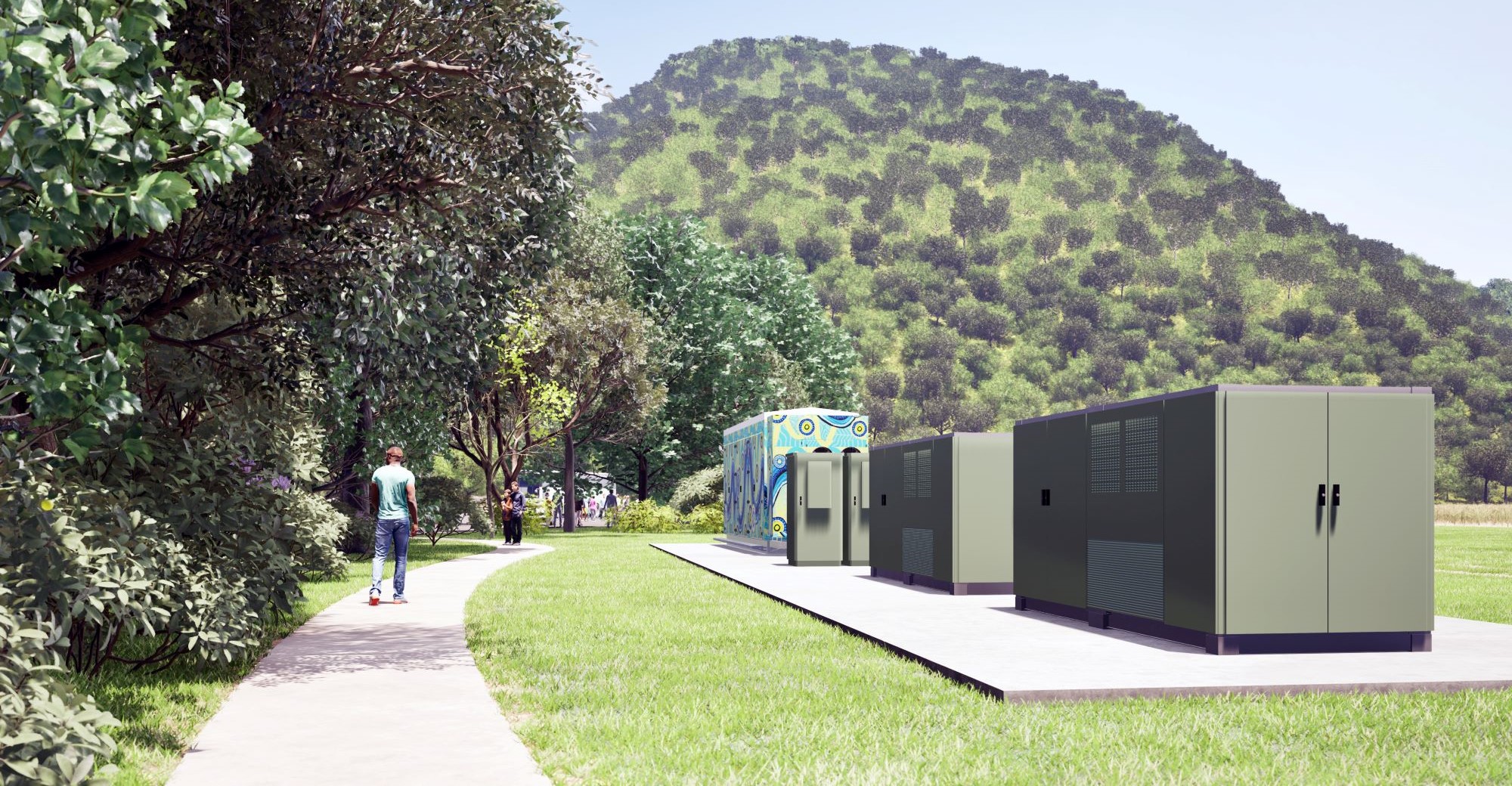
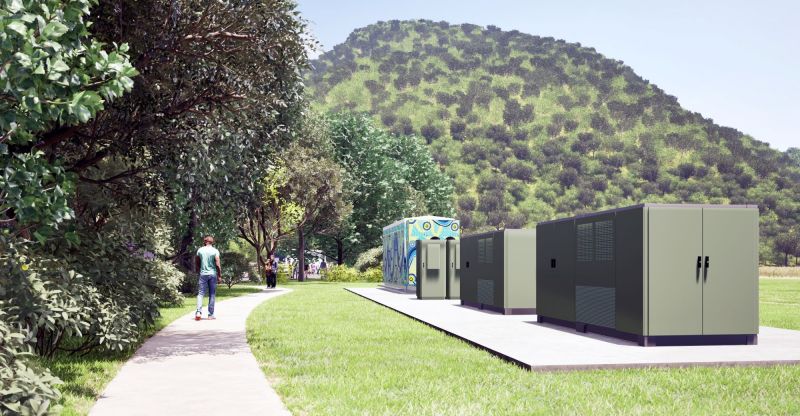
Artist’s impression of Mossman Gorge Microgrid adjacent to pedestrian path to the Mossman Gorge Cultural Centre
We’re taking an innovative approach to improving the reliability of the electricity supply in some of our First Nations communities at the fringe of the electricity grid. With funding from the Queensland Government, we are building a high-voltage, network-connected microgrid on Kuku Yalanji Country at Mossman Gorge.
The Mossman Gorge community, along with the Mossman Gorge Cultural Centre and training facilities, are located around 2km inland from Mossman and 10km from the Mossman Substation, the point of supply for the community’s electricity.
Located at the end of the line, customers at Mossman Gorge experience a higher-than-average frequency and duration of power outages. In a Queensland first, Mossman Gorge will be supplied by the network on a day-to-day basis and have the ability to disconnect from the network and operate as a microgrid. This will allow it to run in an ‘island’ mode when there is a fault upstream, helping to improve the reliability and quality of the electricity supply.
We’re committed to keeping the Kuku Yalanji community and all our other stakeholders informed as the project progresses.
We’re working closely with the Bamanga Bubu Ngadimunku Aboriginal Corporation, as representatives of the Mossman Gorge community, and the Indigenous Land and Sea Council, to design our engagement and ensure we are delivering great outcomes for the community.
You can keep up to date and provide feedback on the latest project activities through the following information.
Download our newsletters about the Mossman Gorge microgrid project.
Subscribe to Updates and select ‘Mossman Gorge Microgrid’ in the Major Project drop down list. And you can add in ‘Keep me updated’ in the Your Feedback section.
Any personal information we collect about you will only be used and disclosed by us in accordance with our Privacy Statement.
As part of the Mossman Gorge Microgrid Project, we’re running a series of longitudinal surveys to better understand how community views evolve throughout the life of the project.
A longitudinal survey means we’re checking in with community over time - before, during, and after the microgrid is built - to track changes in knowledge, attitudes, and trust. This helps us shape our engagement, improve communication, and ensure the project reflects what matters most to the local community.
You can find out more about the Mossman Gorge Microgrid Survey (PDF 704.6 kb).
To encourage participation, we’re offering a deadly Resilience Prize Pack with each round of the survey.
To go into the prize draw, simply complete the survey.
Terms and conditions (PDF 127.1 kb) apply.
The third round of our Mossman Gorge Microgrid Project feedback survey was open for community feedback from March to early August 2026. Some of the key themes expressed in the feedback includes:
You can see the survey results over time in our Survey Report Cards:
Browse our videos to see the project in action and hear from the people involved.
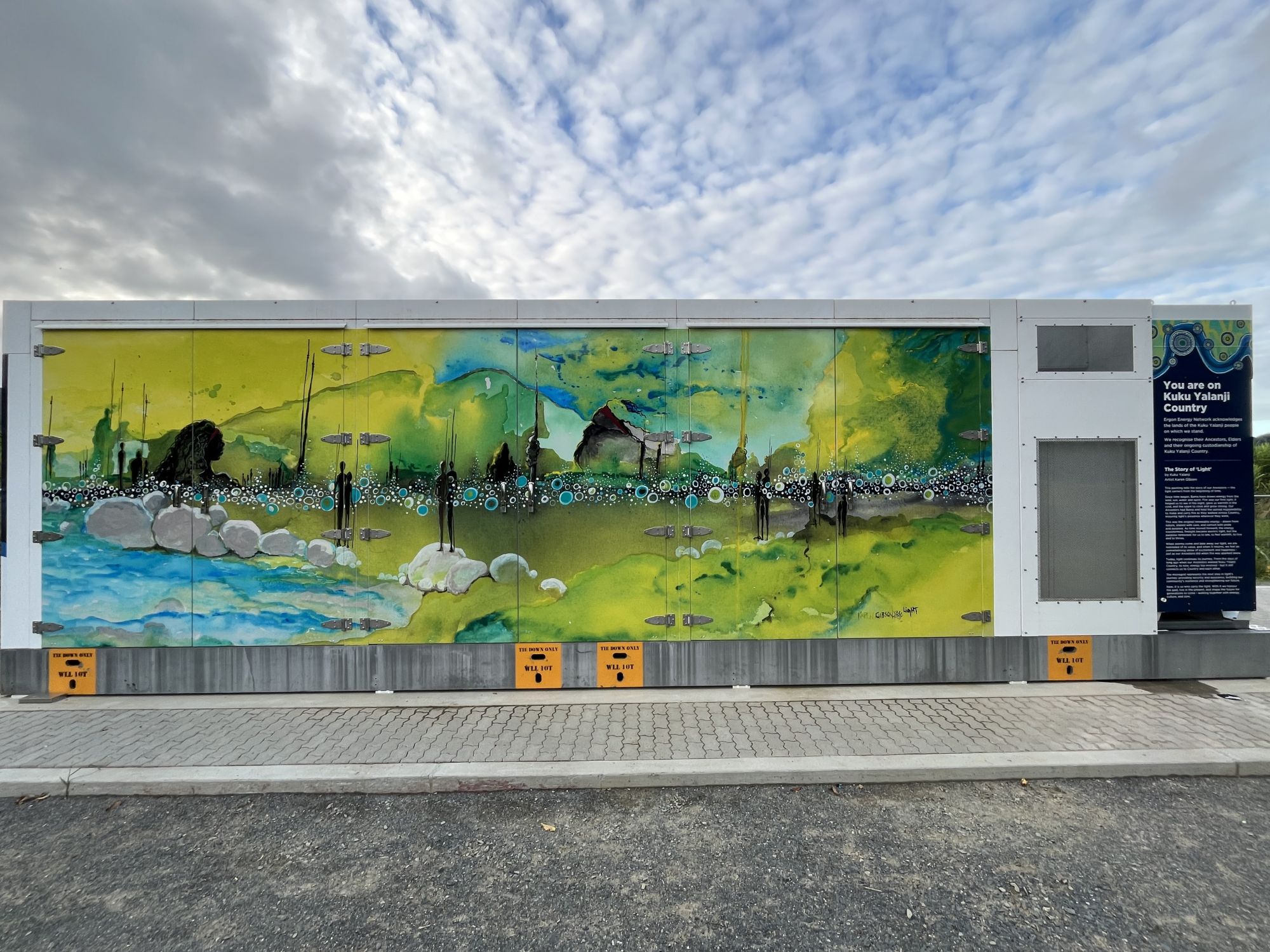
Go behind the artwork and discover how 'Light' came to life. From Karen Gibson's artistic vision to the community stories and cultural connections that inspired the piece, learn more about the people and perspectives behind this vibrant celebration of Mossman Gorge.
Artist’s impression of Mossman Gorge Microgrid adjacent to pedestrian path to the Mossman Gorge Cultural Centre
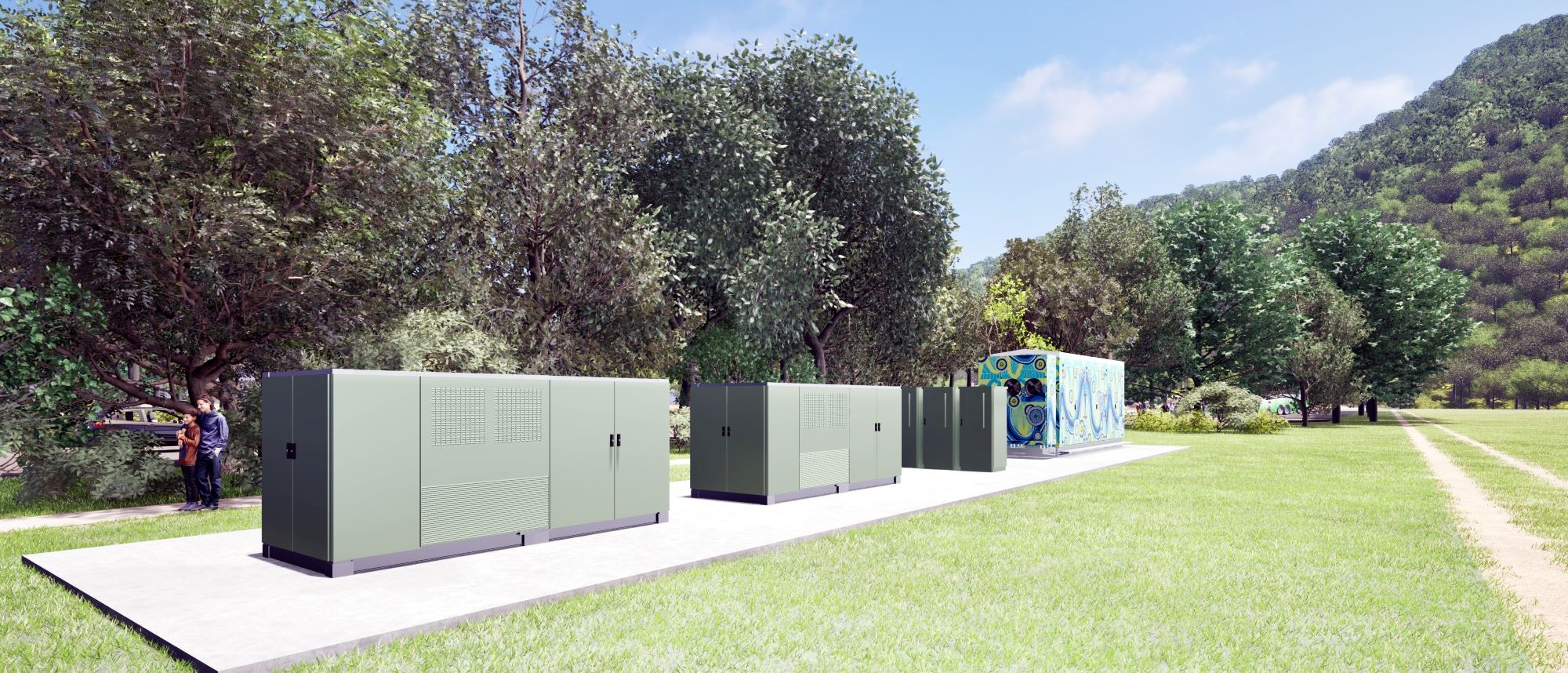
Artist’s impression of Mossman Gorge Microgrid equipment including padmount substation, communications equipment, and inverter
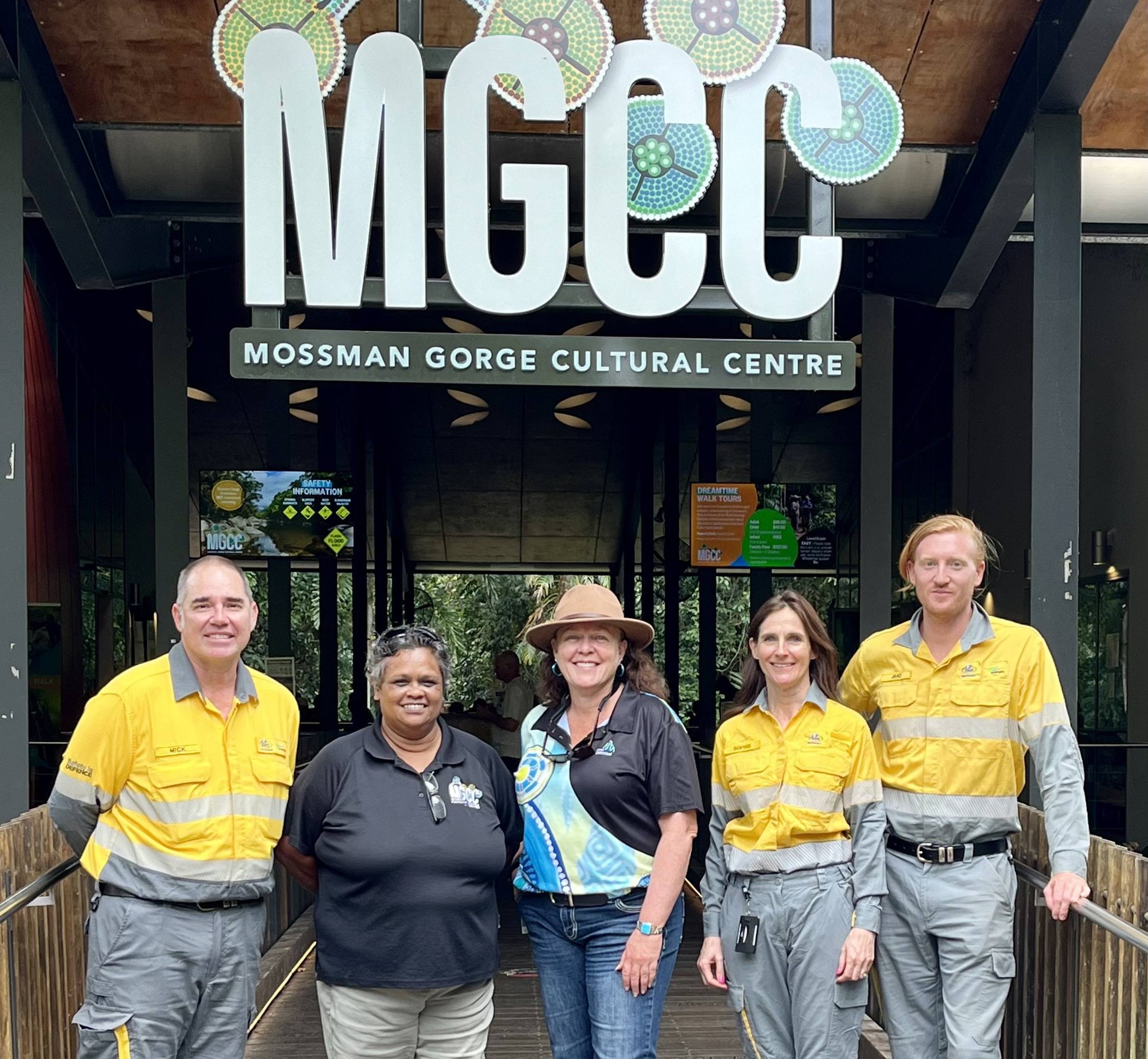
Ergon Network’s project team visited the Mossman Gorge Cultural Centre, meeting the centre’s General Manager Rachael for a tour of the facility
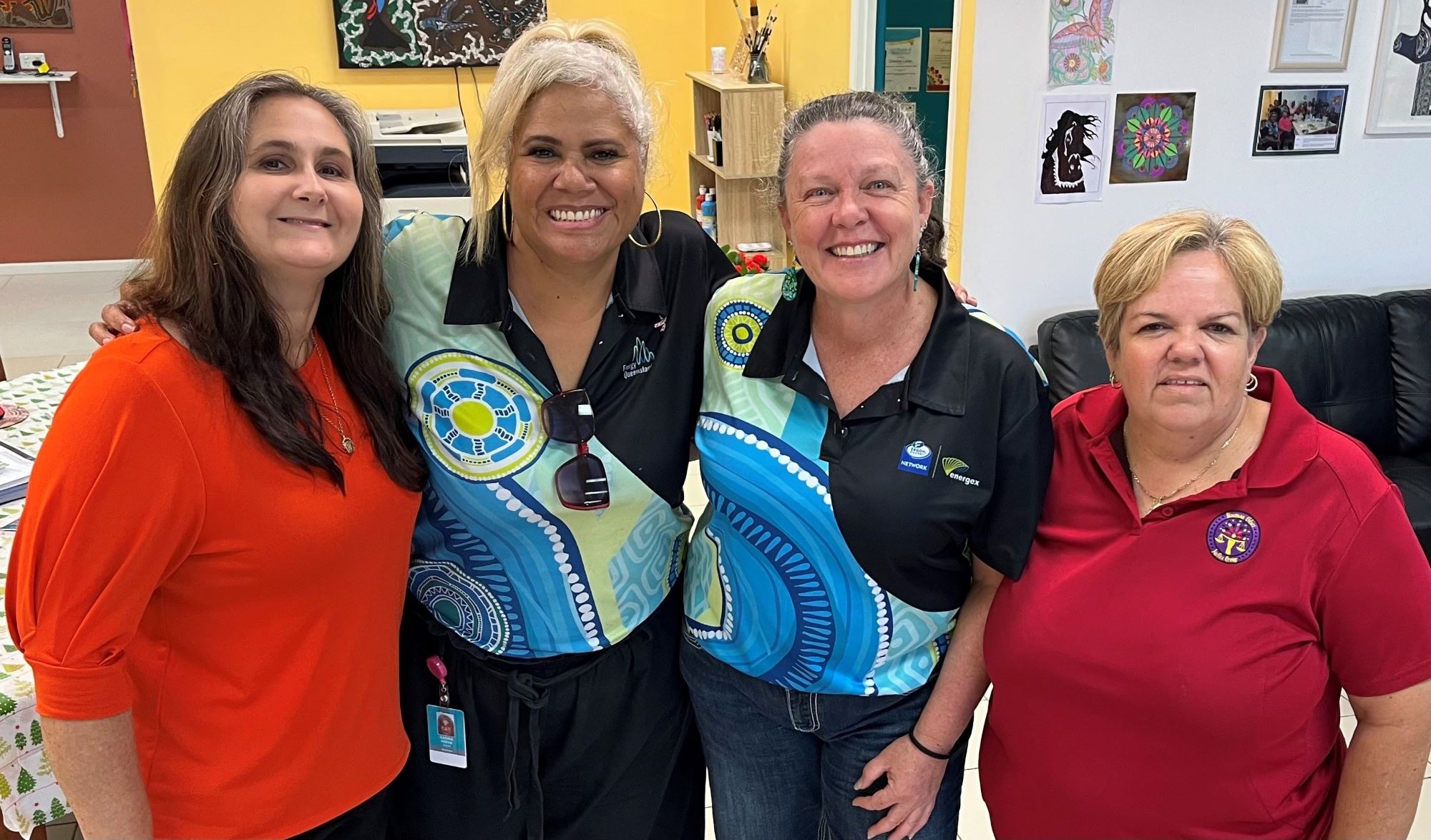
Ergon Network's Engagement Team meet with Mossman Elders Justice Group
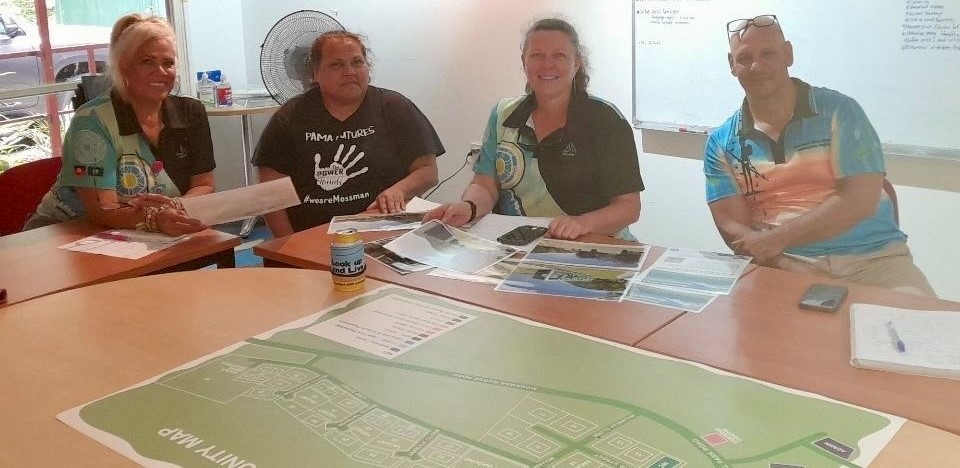
Ergon Network's Engagement Team planning the Big Microgrid Yarn with the Chair and General Manager of Bamanga Bubu Ngadimunku
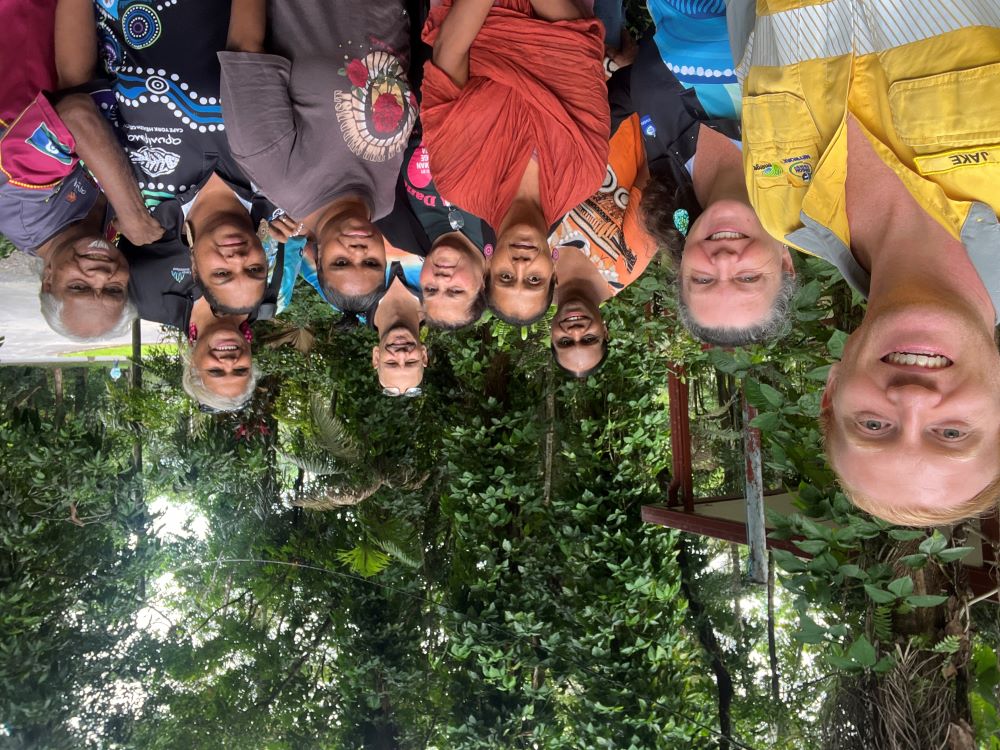
We’re yarning with the Bamanga Bubu Ngadimunku
Board Directors and community about the project
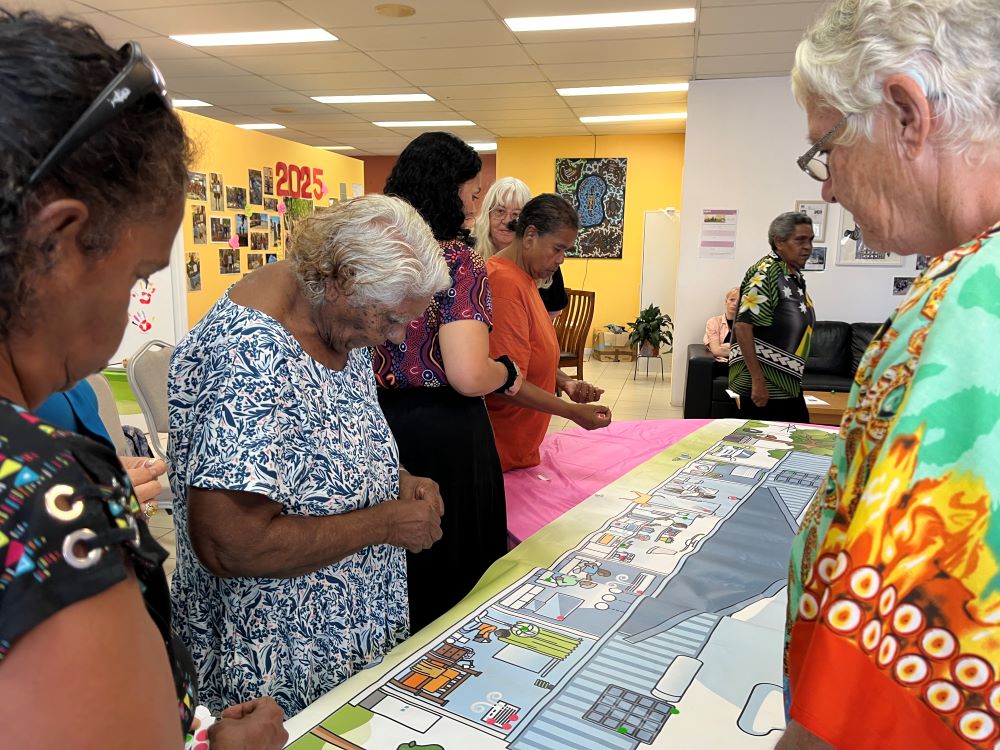
Big Energy Yarning activity with the Mossman Elders Justice Group’s Women’s Group
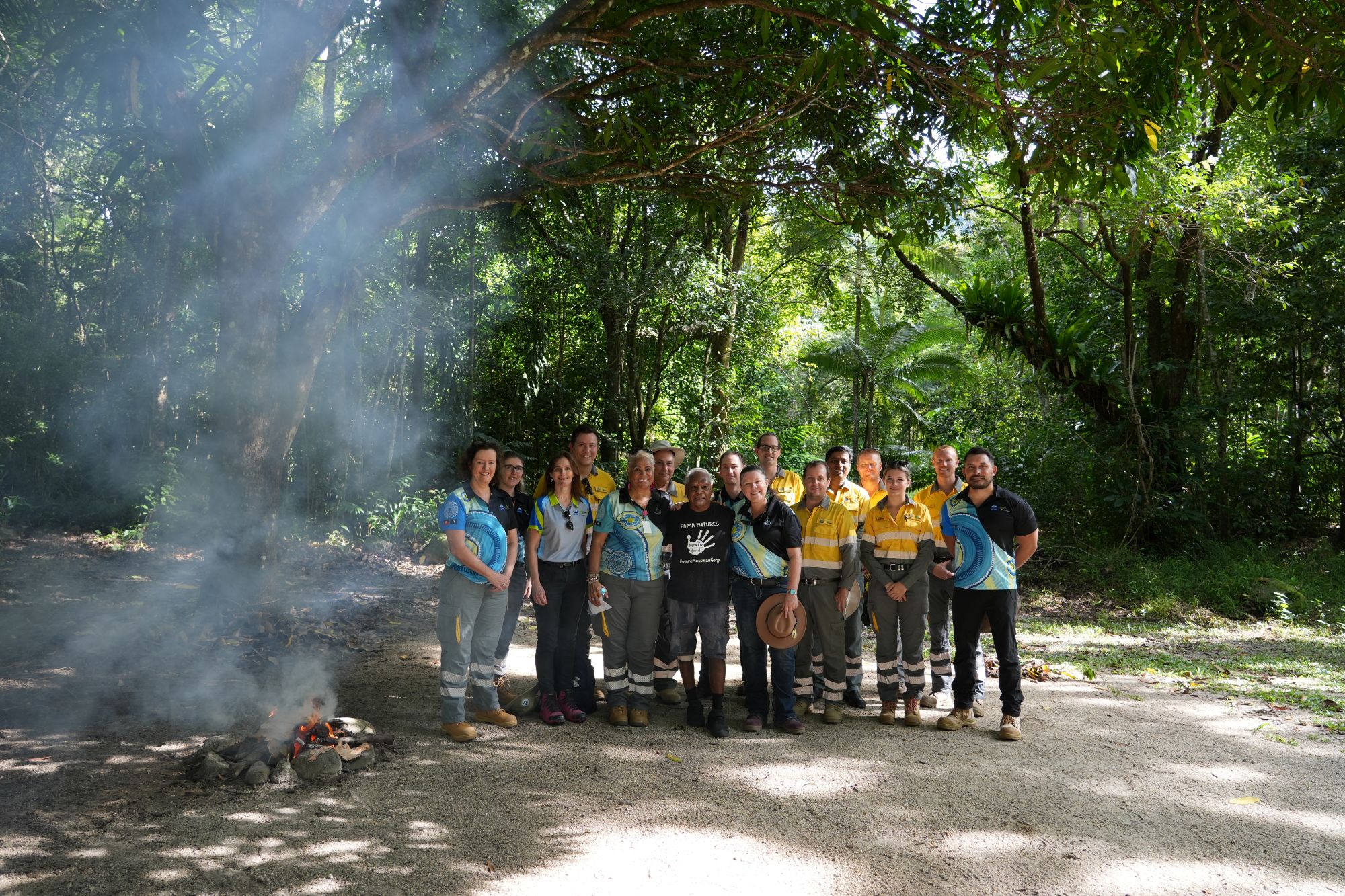
Ergon Energy Network team welcomed to
Kuku Yalanji Country by Uncle Roy Gibson
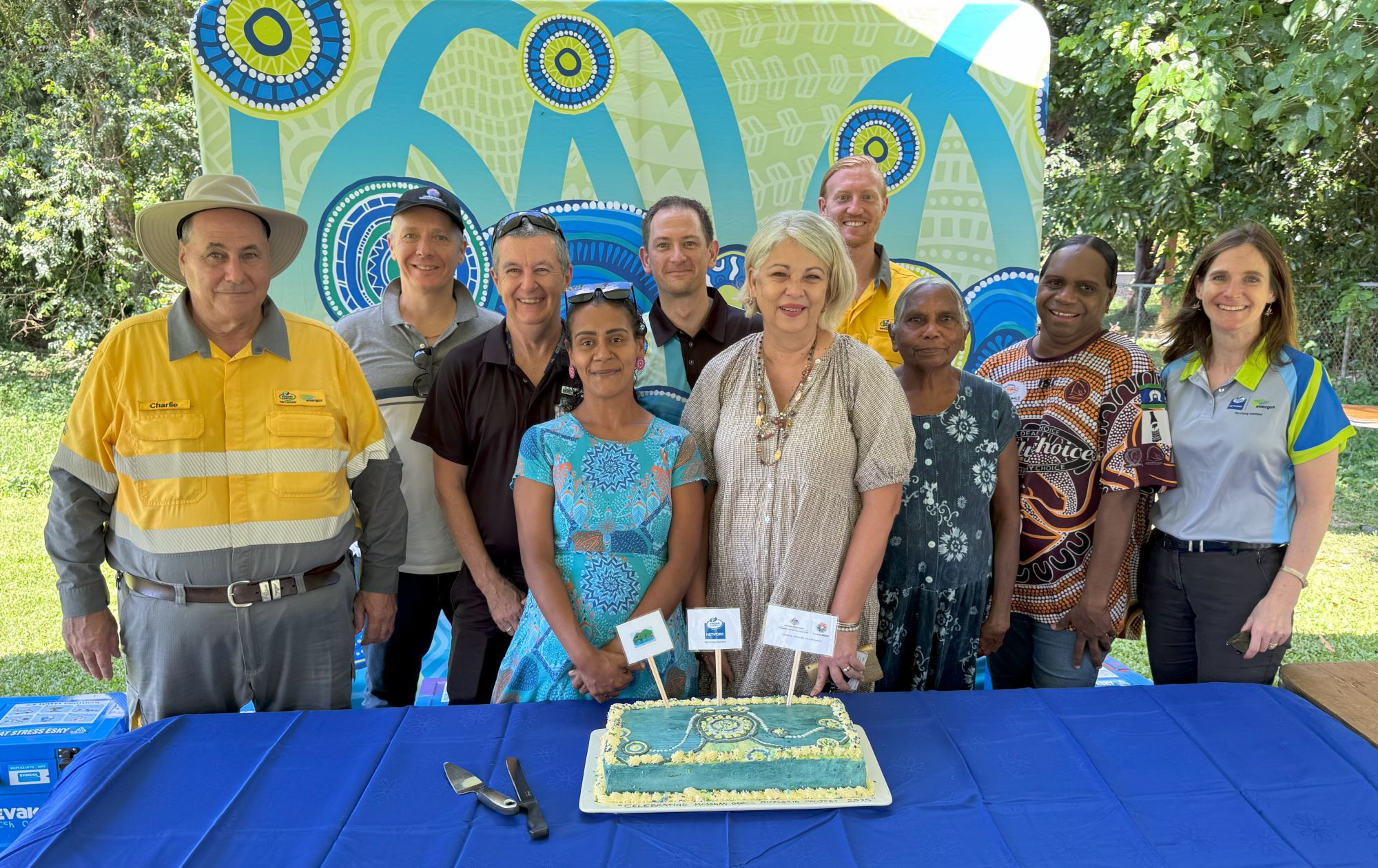
Celebrating the launch of the Mossman Gorge Microgrid Project
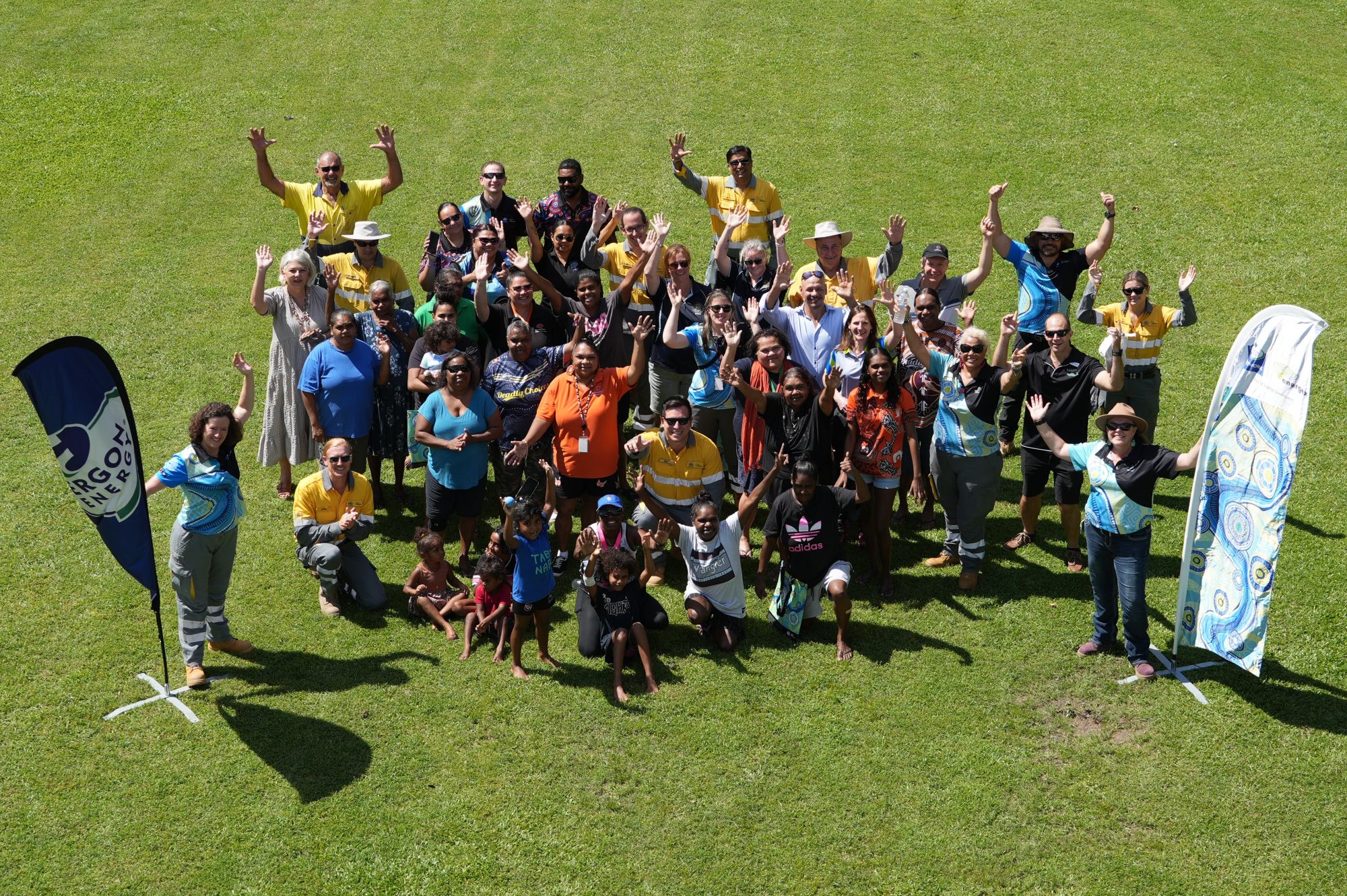
Celebrating the microgrid project with the Mossman Gorge community
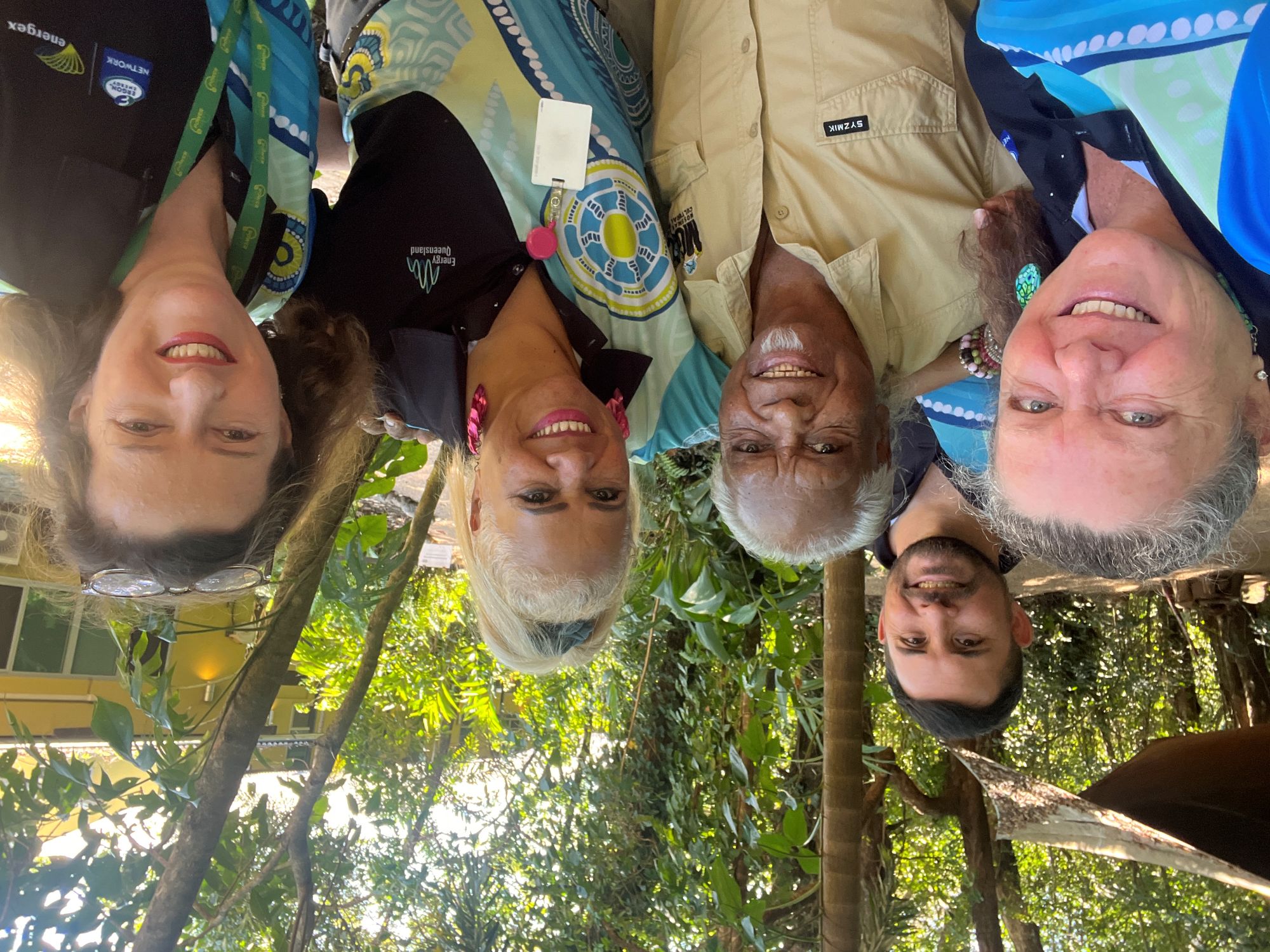
Ergon Energy Network team on Kuku Yalanji Country with local legend Uncle Roy Gibson
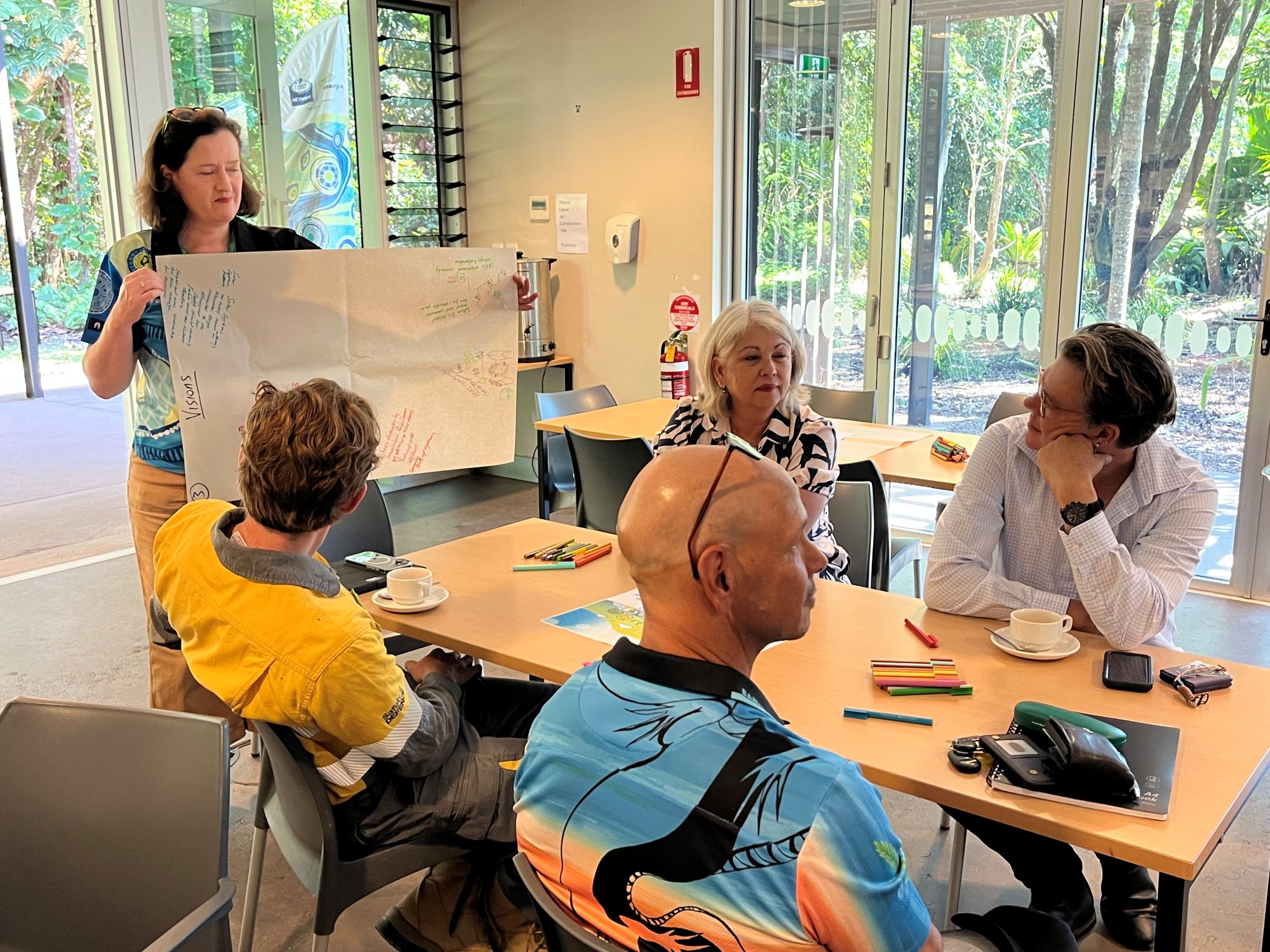
Community Energy Dreaming Workshop (Energy Resilience)
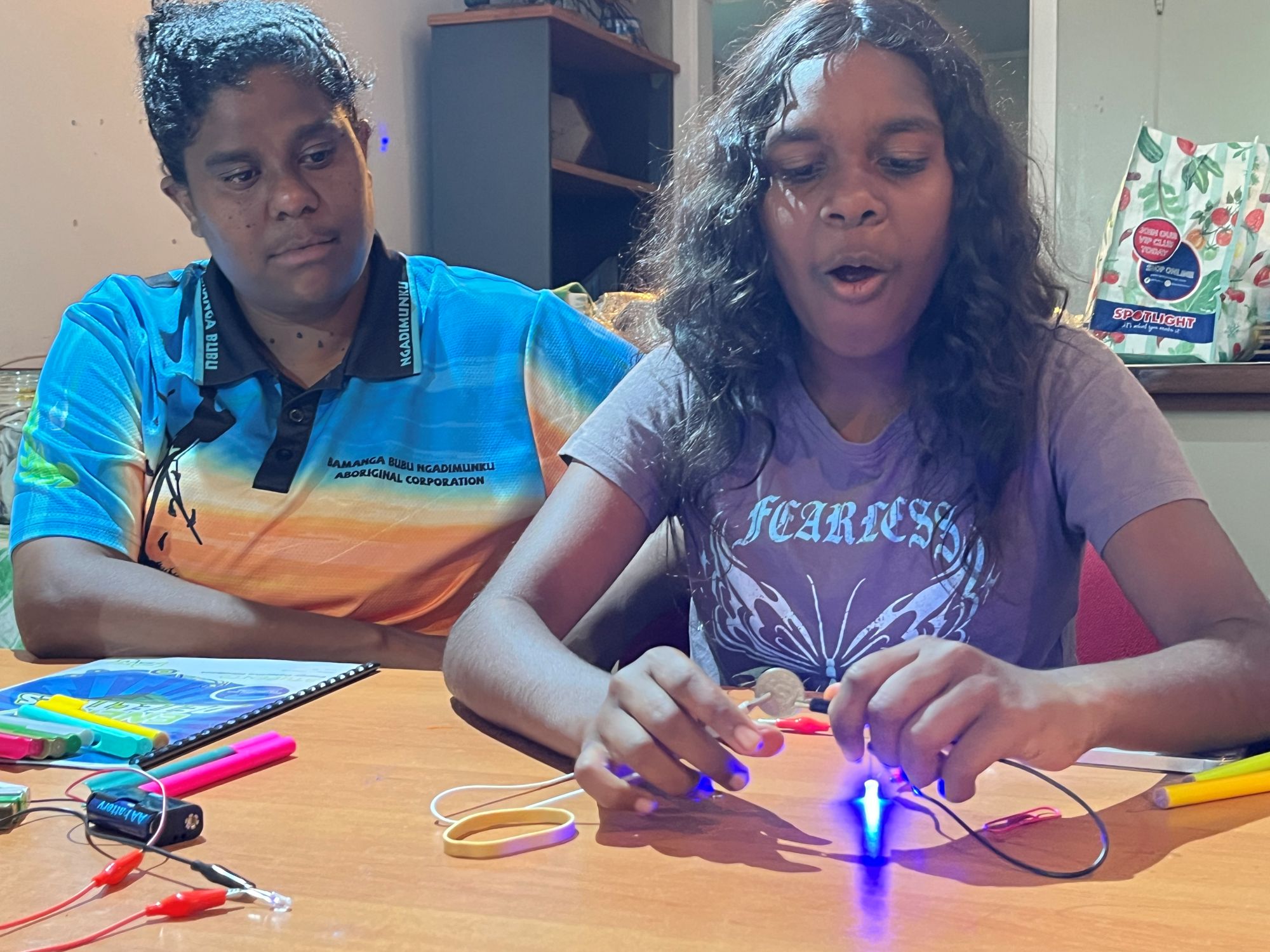
Learning about electricity through experiments on the school holiday program
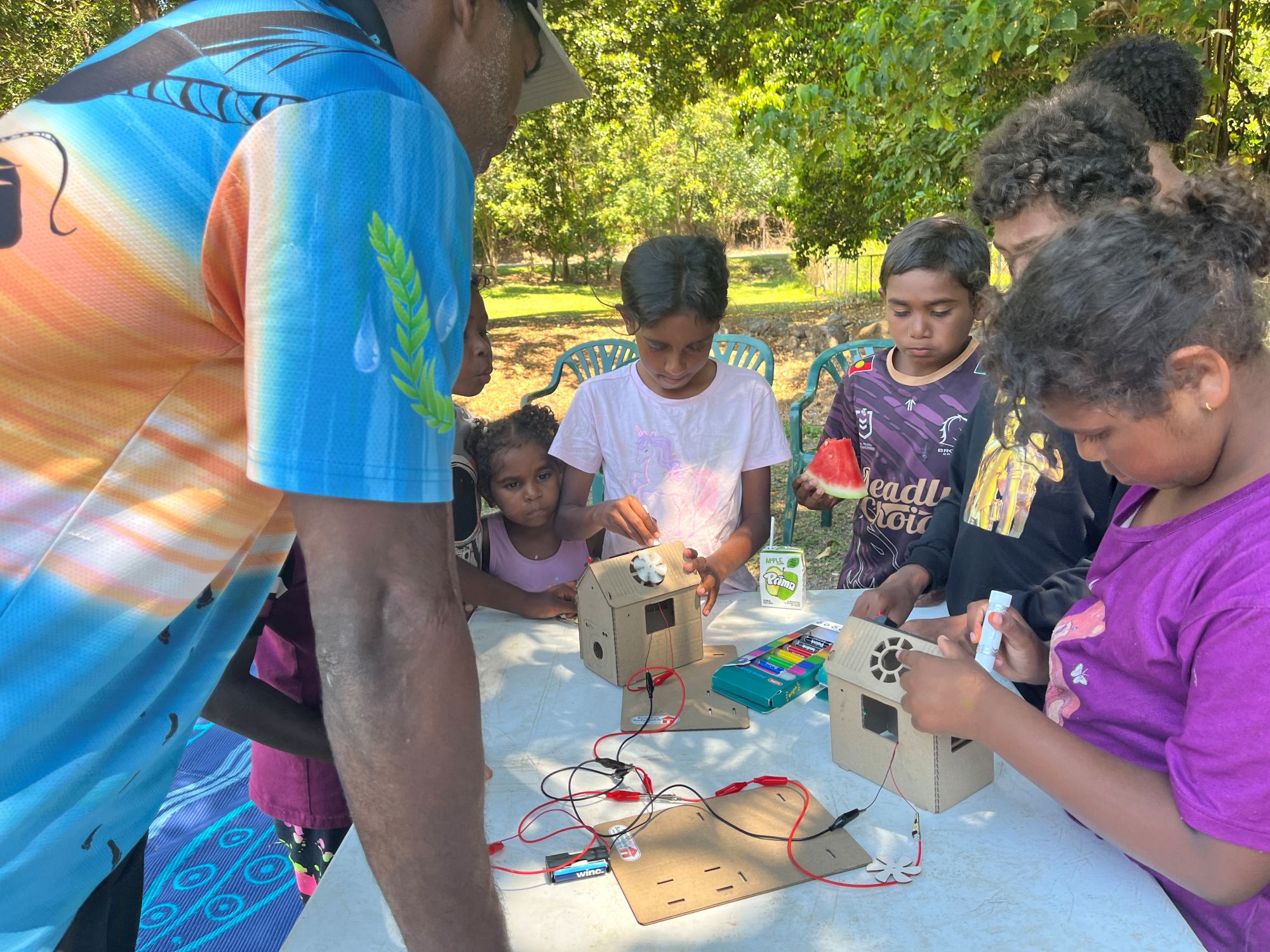
Mossman Gorge children Building a microgrid
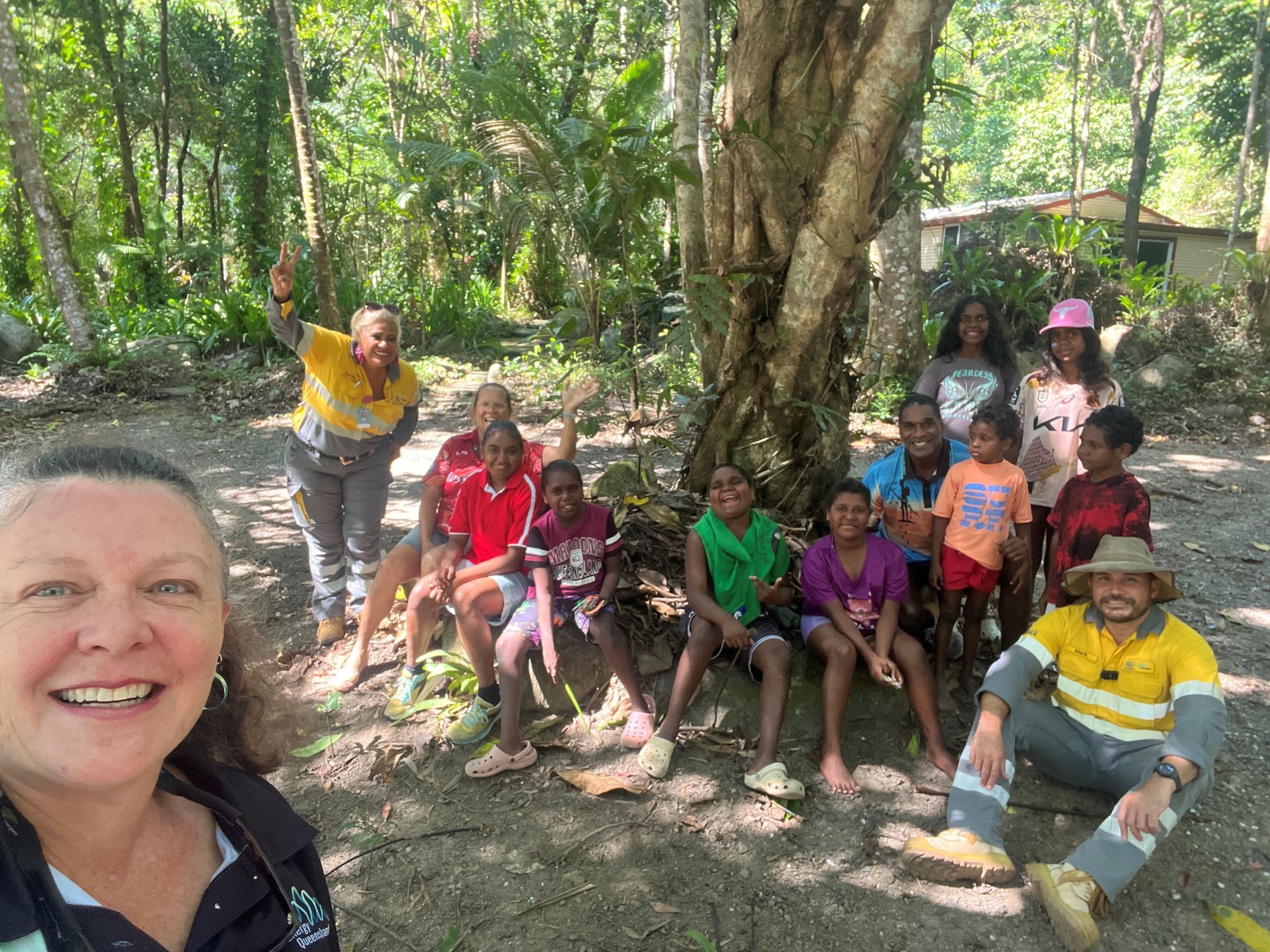
Yes, it’s true, we are building a high-voltage, grid-connected microgrid at Mossman Gorge.
A microgrid is a section of network containing one or many distributed energy resources, such as solar PV, wind, and battery energy storage systems, that can separate from the wider electrical network and operate autonomously when required.
In simple terms, the Mossman Gorge microgrid is a battery connected to the main electricity network that can operate independently in ‘island mode’ to supply backup power when the main grid supply is disrupted or unavailable, like during network outages.
With advances in technology, microgrids are becoming intelligent energy systems, designed to be self-sufficient and to power the electricity needs of a discrete group of customers or small community like Mossman Gorge.
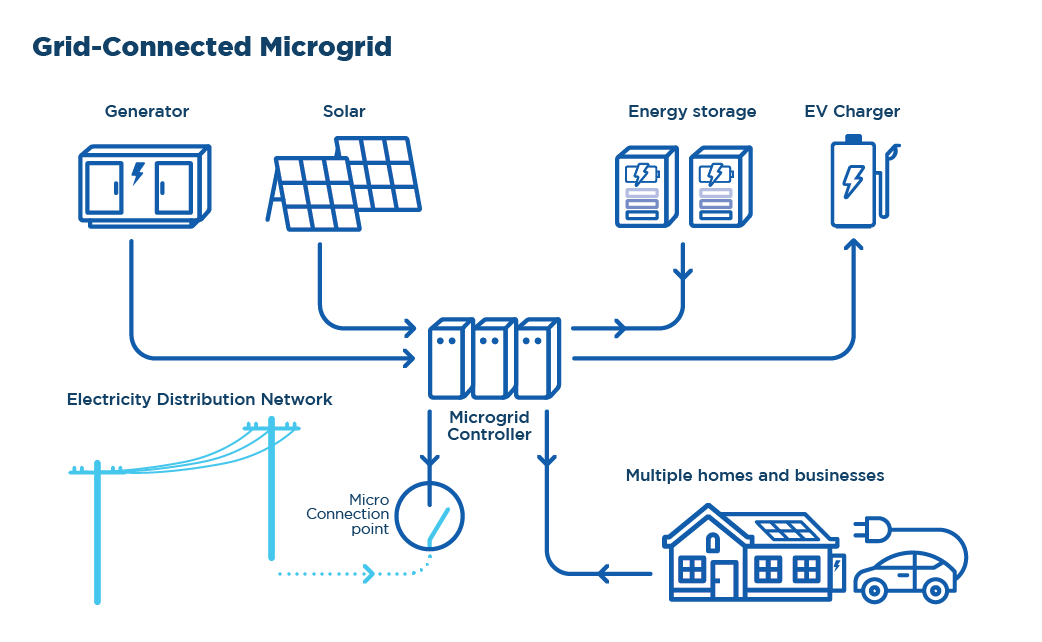
Communities like Mossman Gorge that are located at the extremity of the electricity network experience power outages whenever there is a fault upstream of them along the length of the powerline. As a result, these communities face more frequent and longer outages. This is because of the length of the powerlines that supply their electricity, as well as a range of environmental factors, and because they are often in hard-to-reach locations which present access challenges for our crews responding to unplanned outages.
With advances in technology over the past decade or so, we can build a microgrid at Mossman Gorge to improve the reliability of the power supply for the community.
The microgrid will comprise of a battery, inverter, and communications equipment, which will be mounted on a concrete slab and housed within secure enclosures – see the artist impression images below. Depending on requirements, the site may be fenced.
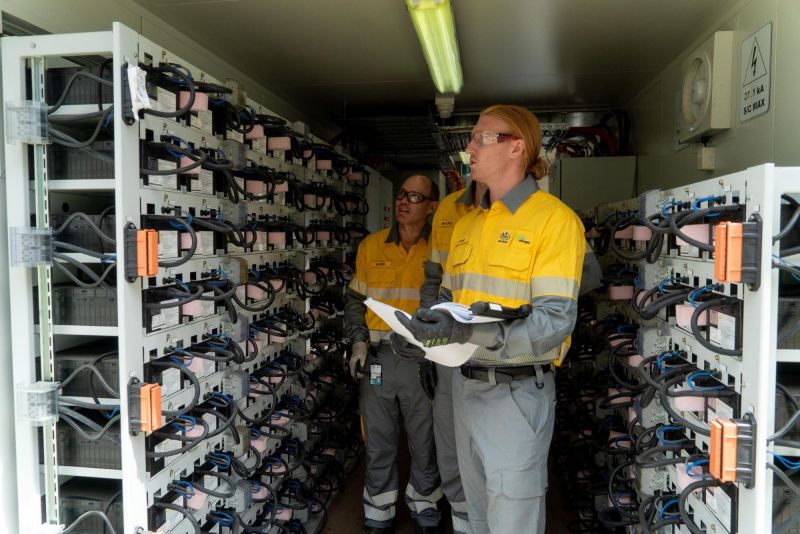
The microgrid’s battery is made up of several smaller batteries, joined together to make a big battery. They will be housed in a specially designed shipping container that keeps the batteries secure while still allowing our team access to monitor and maintain the batteries as needed – see example below. The equipment in the cabinets will be temperature controlled and remotely monitored for optimal performance and safety.
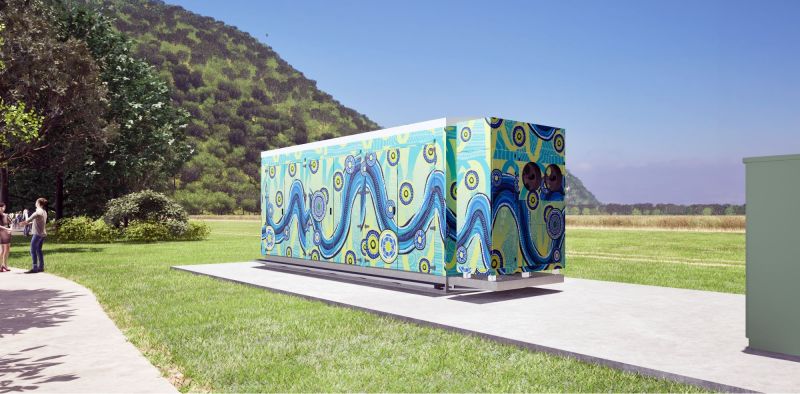
The final look of the microgrid will depend on the community’s energy needs. Once these are understood, the design of the microgrid can finalised, and the project team can share images of what the microgrid will look like.
There may be an option to decorate the shipping container with artwork in collaboration with the Mossman Gorge community.
While one of the key benefits of a microgrid is its ability to operate independently of the main electricity network, the Mossman Gorge community will remain connected to the network.
The primary purpose of the microgrid is to allow us the flexibility to separate the community from the main electricity network when there is an interruption to the power supply upstream and operate in ‘island mode’ when needed.
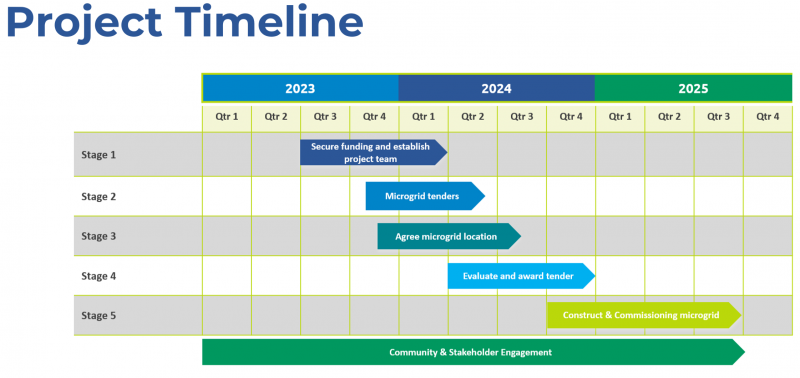
The project commenced in late 2023 when we secured funding and established our small project team. The project will be delivered in stages, as outlined in the Project Timeline, and will be completed mid-2026.
No, apart from seeing the microgrid equipment in the community, you won’t see changes to how electricity is supplied to you, or to your power bill.
When the project is completed and the microgrid is operational, you may notice that the reliability of the electricity supply at Mossman Gorge has improved as the microgrid will operate when there is an outage on the main electricity network.
Construction projects can be disruptive to the community and the microgrid may present some impacts. Impacts typically associated with the construction of a project like this include:
There will also be positive impacts associated with the project including:
We anticipate the impacts associated with the construction of the Mossman Gorge will be very minor, and the project team will continue to keep the community and key stakeholders updated throughout the project.
Yes – Ergon Energy Network will own, and continue to operate and maintain, the new microgrid and the existing network assets.
BESS stands for Battery Energy Storage System, but they are commonly known as batteries.
They are a type of energy storage system that uses batteries to store energy from the grid, to be used when it’s needed.
They come in various shapes and sizes, and they can use different technologies. They are essentially a rechargeable battery that can store energy from the grid, often from renewable energy sources like solar PV, that can be used at times of high demand when solar power isn’t available, like at night when everyone comes home and turns on their air conditioners and other electrical appliances.
Batteries also help with smoothing the power output when the solar system is intermittent, like when a cloud passes over.
As part of the microgrid, the BESS will be connected to and charged by the existing electricity network.
The battery will be installed and maintained to the same high standard we would for any of our other electricity network assets. The operational practices for the batteries in the trial will also minimise the safety risks.
All chemical or energy infrastructure in the community, whether a petrol station or other electricity infrastructure, have some risks.
To address this, we will use the latest technology batteries, and they will be built in a cleared area. They will also be monitored remotely 24/7.
The likelihood of an incident is very low, however in the unlikely event the batteries’ alarms are triggered, we will have protocols in place to respond. Prior to commissioning the batteries, we will engage with the local fire brigade and other emergency services, and we’ll have an appropriate Emergency Management Plan established.
The lithium-ion batteries we are using are expected to have a minimum life of 10 years, depending on how they are operated. They could have a life of up to 15 years.
Yes, batteries are already being recycled. We have several battery projects across Queensland, and we have engaged with an Australian recycling company to work with us to reduce our impact on country.
We will continue to review what is best practice, and our preferred recycler or recyclers, as our investment in battery technology continues to scale up.
We expect recycling services to evolve, potentially with economic opportunities for Queensland, as electric vehicle batteries drive demand for these services.
The batteries in the microgrid have cooling fans enclosed in the units that will operate to keep the battery at the required temperature for safe operation. These fans are no louder than a household kitchen extractor fan or air conditioner unit and only operate intermittently, so it’s unlikely the community will hear noise from the batteries.
When new electrical infrastructure projects, like the Mossman Gorge Microgrid are discussed, many people ask about electric and magnetic fields (EMF). EMF are generated by any object with electric current flowing through it, including powerlines and all electrical appliances used in homes, such as televisions, washing machines, microwaves, hair dryers and computers.
The level of EMF from the microgrid batteries will depend on the amount of current in the units. The fields decrease in strength the further you move away from the source. We will be building the microgrid in a cleared location, well away from the Mossman Gorge community.
The equipment Ergon uses and installs onto our network must comply with strict industry standards and our standards for EMF emissions continue to be better than those required by Australian and international health authorities.
We’ve got more detailed information on EMF and links to other relevant organisations on our Electric and magnetic fields web page.
Yes! Ergon’s community engagement team – pictured below - will be working with the Mossman Gorge community and other key stakeholders throughout the project.
We will have a range of information, updates, and events to keep the community up to date on project progress and explain how the microgrid will work.
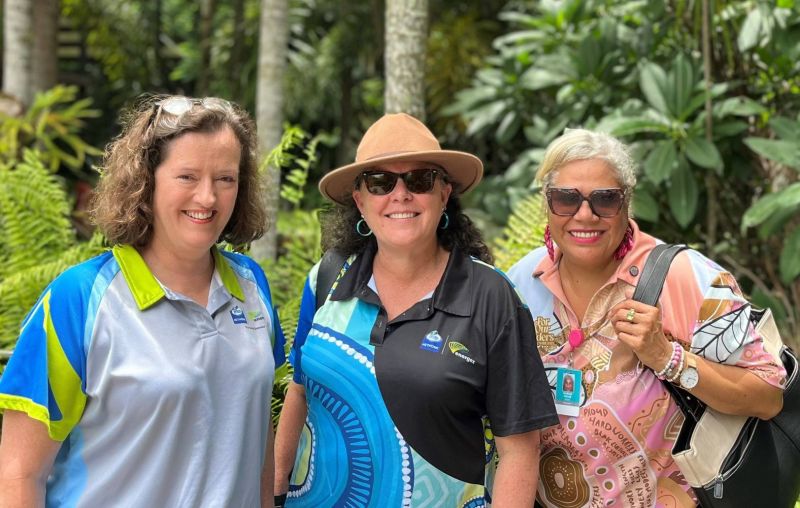
Senior Community Engagement Advisor, Kate Austin on 1300 653 055 or email us at: NetworkProjectEngagement@energyq.com.au.
Download a print-ready copy of the Frequently Asked Questions (PDF 1.3 mb) for the Mossman Gorge Microgrid.
We aim to provide the community with balanced and objective information to help in understanding the need for this project, our delivery approach and how it may affect people.
We'll keep the local community informed, and we’ll acknowledge and consider any feedback.
We'll provide information in different ways including:
For more information or to provide us feedback, please contact the project team:
Email: NetworkProjectEngagement@energyq.com.au
Phone: 1300 653 055