
28 November 2025
Ergon trials simple solution to protect Whitsundays' wildlife
Ergon Energy Network crews in the Whitsundays have installed aluminium tags along barbed wire fences securing substations and a depot as part of a trial to protect native wildlife, including endangered species.
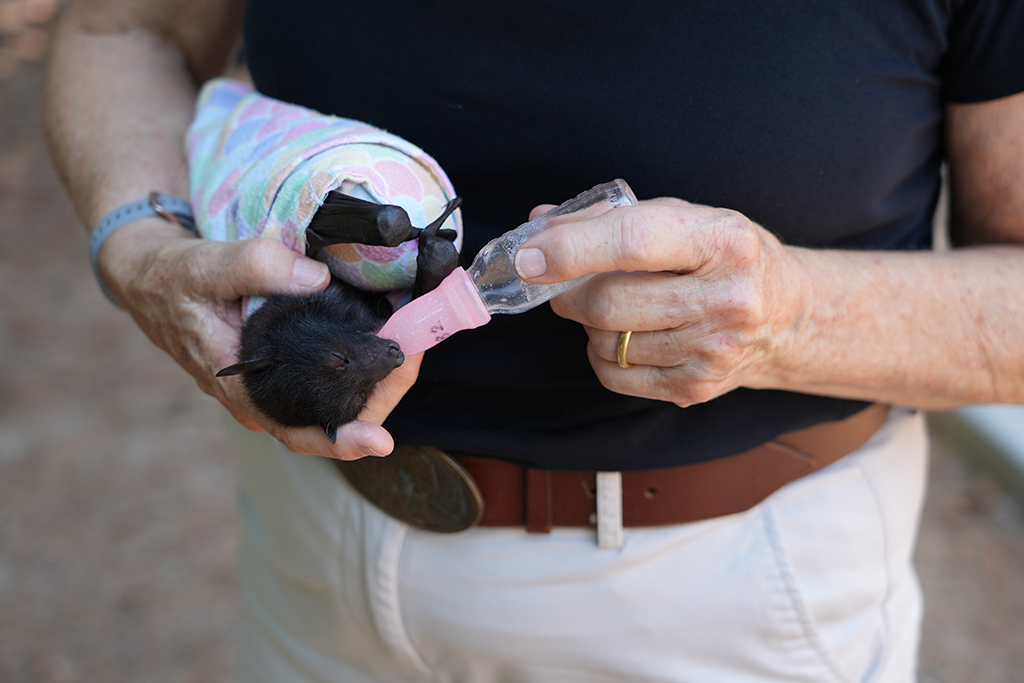
Ergon’s senior community engagement advisor Lorelei van Dalen said the pilot program was the result of close collaboration with Fauna Rescue Whitsundays, which reported barbed wire was responsible for 38% of flying fox rescues over a 16-month period.
“Flying foxes are not just cute, they play a crucial role in keeping our forests healthy by spreading seeds and pollinating plants, but they sometimes find danger in unexpected places, like barbed wire fences,” Ms van Dalen said.
“Installing these visibility aides is a small step with a big impact that supports biodiversity, protects our wildlife from injury, and shows that industry and nature can work together.”
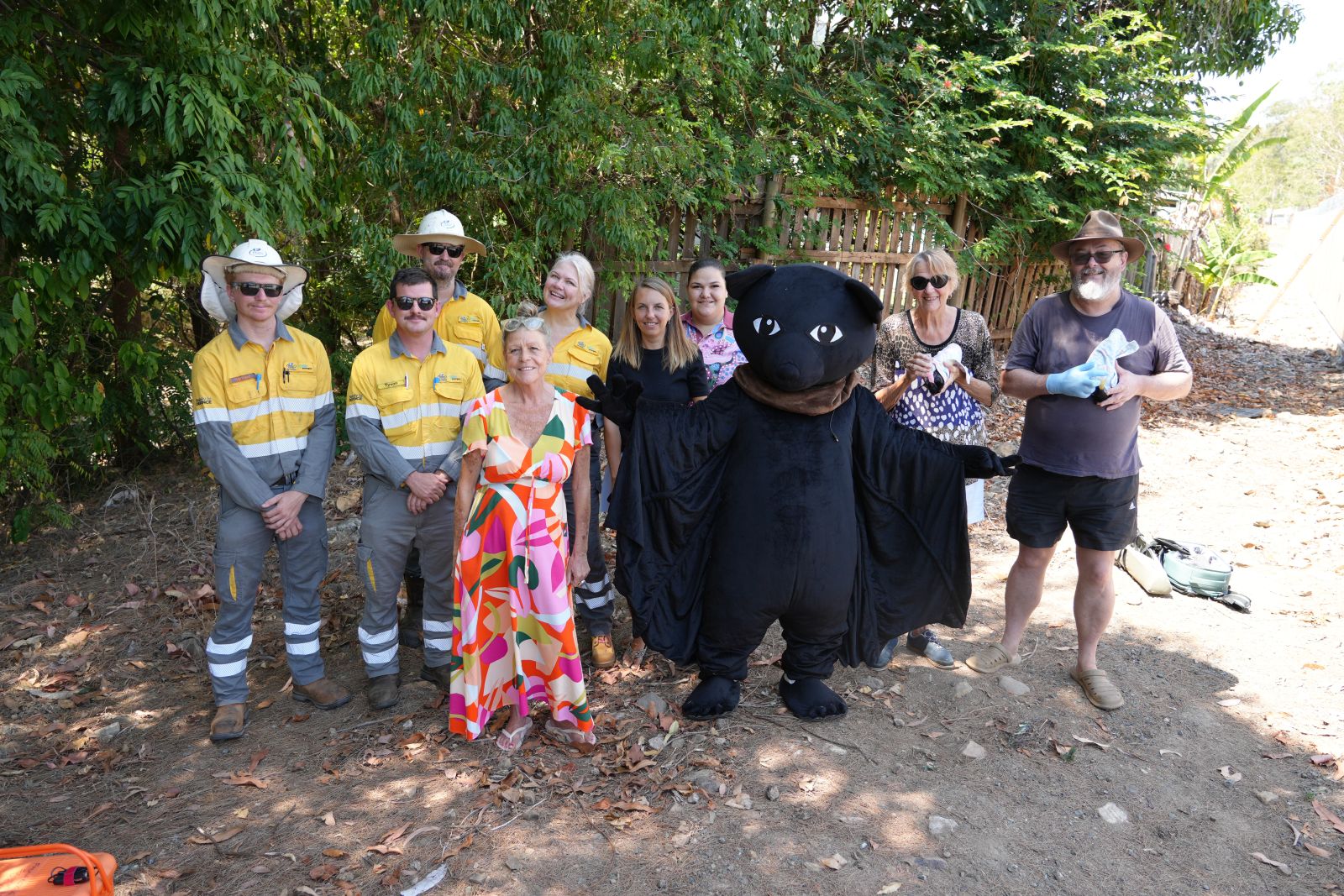
Fauna Rescue Whitsundays bat specialist Suzette Pelt said unlike microbats, megabats rely on eyesight when they’re flying at night, so having metallic tags on the top barb will alert them to the hazard and save lives.
“Without the bats, without the flying foxes, we don’t have our beautiful, lush rainforests, so every single one that we save is important.
“We can’t thank the Ergon crews enough for their assistance with wildlife rescues and these lifesaving preventative measures,” she said.
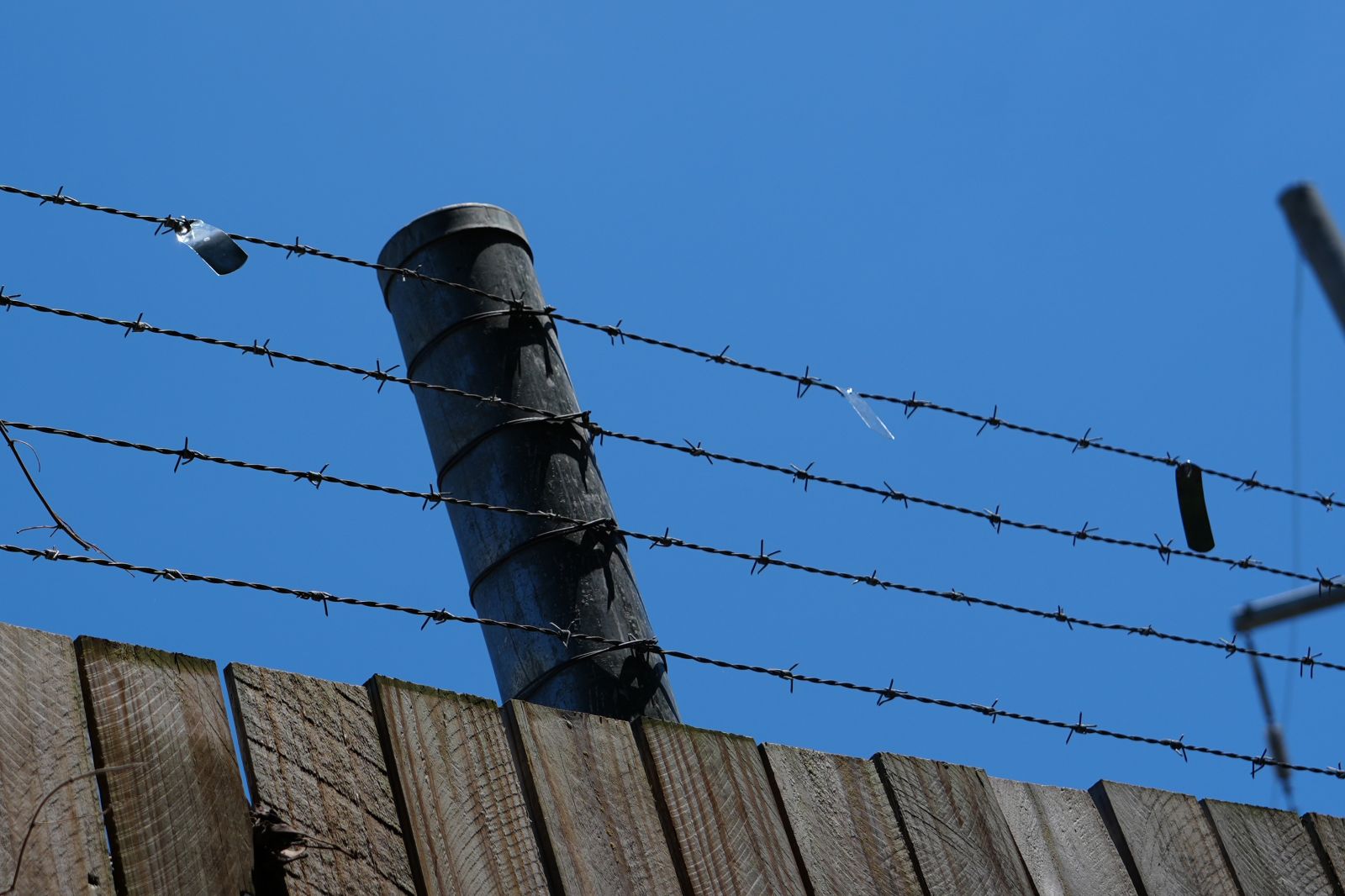 Ergon work group leader Tyson Ballard said the reflective markers were a simple, cost-effective solution to protect birds and bats, while safeguarding critical infrastructure.
“A couple of our substations are in national parks, and I think we have an important role to play within the community to protect our wildlife.
“It only takes seconds for us to install each tag and the cost of materials for all sites across the Whitsundays is around $500, so it makes economic and environmental sense,” Mr Ballard said.
Fauna Rescue Whitsundays Vice President Kerry Aspland has praised Ergon for undertaking the wildlife protection trial in areas that are home to endangered and vulnerable species, including bats, gliders and an owl.
“If we can get more safe areas for them, that’s the goal, always,” Ms Aspland said.
“We’re incredibly grateful and we appreciate what Ergon has been doing, especially the crew who have been climbing ladders and tagging all the barbed wire in the heat and humidity.”
The pilot program will be evaluated and could pave the way for the adoption of similar measures in other locations.